
Permaculture: Farm and Garden Elective
Do you enjoy working outdoors, getting your hands dirty and learning how things grow? Then Permaculture: Farm & Garden is the subject for you! In this hands-on and creative subject, you’ll explore how to care for land, grow, prepare and eat fresh food and make the most of what we have around us.
Permaculture isn’t just gardening — it’s a whole way of thinking about sustainable living. Beyond growing food, you’ll explore building with natural materials, saving energy and water, and creating stronger communities.
Some of the regular activities include;
planning and planting your own vegetable garden plot
growing seeds
mulching garden beds
identifying food and medicinal plants
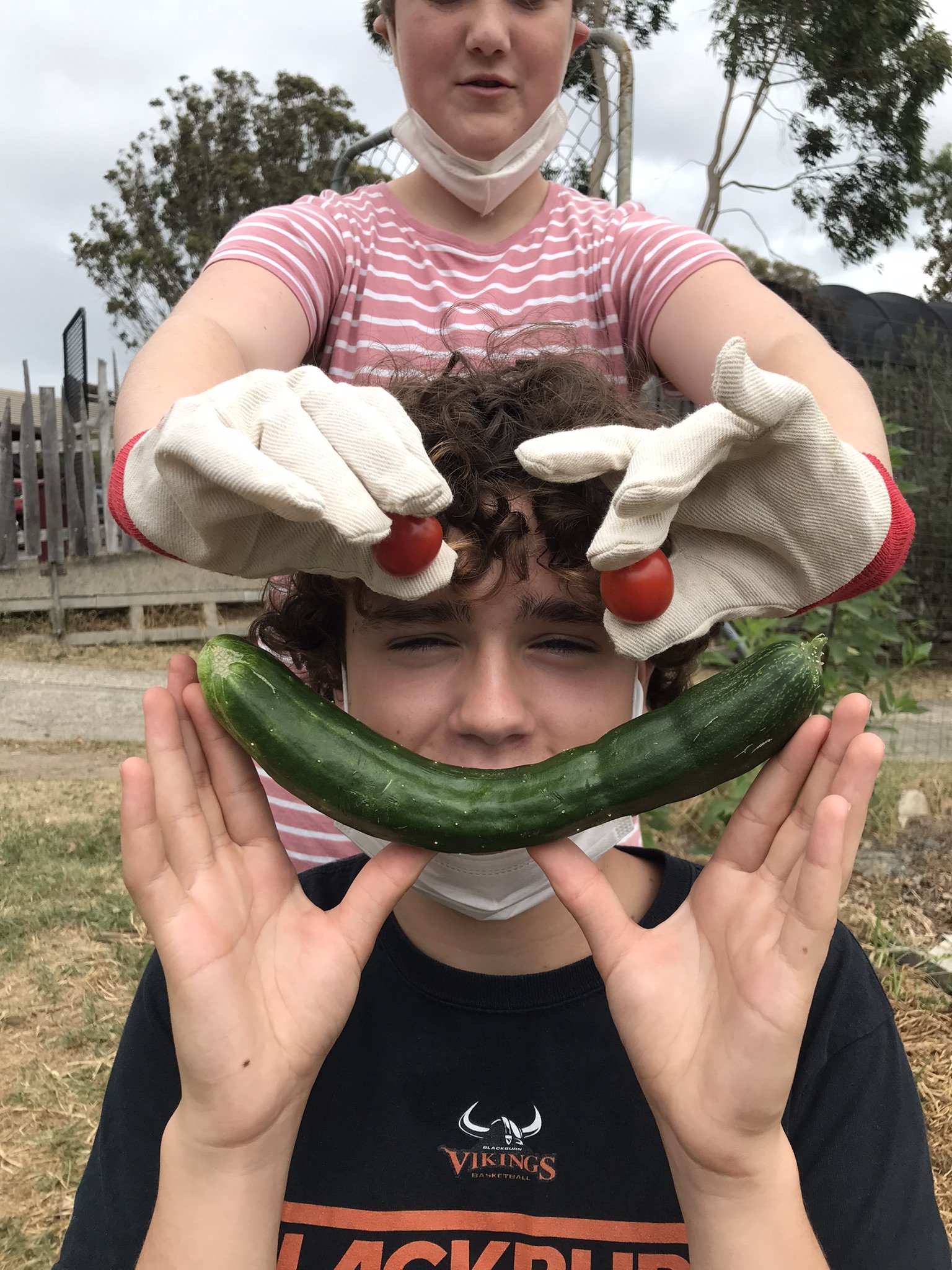
harvesting fruit and vegetables
propagating plants from cuttings
cooking and preserving food from the garden (often in our outdoor pizza oven!)
plan and build garden structures using salvaged or recycled materials
repair tools like shovels, axes, splitters—or even tools you bring from home
learn how the seasons affect plant cycles and what makes soil healthy and how to improve it
Permaculture: Farm & Garden is perfect for students who enjoy learning by doing, working with others and being outdoors (as well as filling their tummies with yummy fresh food!). You’ll build confidence, learn useful life skills, and see the real results of your work on the school farm.
Come grow something — including yourself!
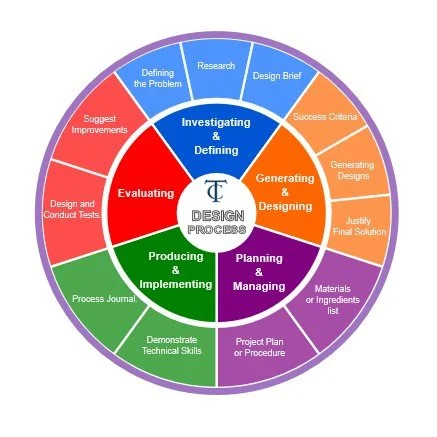
The TC Design Process guides students through five stages of purposeful, iterative design practice.
Investigating & Defining – Define the problem, conduct research, and develop a design brief.
Generating & Designing – Establish success criteria, generate design ideas, and justify the final solution.
Planning – Prepare a materials/ingredients list and a project plan or procedure.
Producing & Implementing – Demonstrate technical skills and maintain a process journal.
Evaluating – Design and carry out testing, and suggest improvements.
This consistent five-stage process is applied across all year levels and subject areas within Technologies, giving students a shared design language and a structured approach to solving real-world problems.