
Pre VCE Art Creative Practice
SEMESTER long - Students can select this subject once per year, in either Semester 1 or Semester 2.
It is recommended that students undertake this at FLE3.
Pre VCE Art Creative Practice is designed for students who enjoy creating art and want to develop their skills while preparing for VCE Art Creative Practice. Throughout the year you will explore how artists develop ideas, experiment with materials and techniques, and communicate meaning through visual language.
Working across a range of artforms including drawing, painting, printmaking, mixed media and ceramics, you will develop practical skills, build confidence in your creative process, and create a folio that documents the development of your ideas. You will also investigate how artists from different times, cultures and contexts communicate ideas and how audiences interpret artworks from different perspectives.
You will strengthen your understanding of the art elements and principles, develop your visual arts vocabulary, and learn to analyse and evaluate both your own artwork and the work of others using appropriate art language.
Semester 1
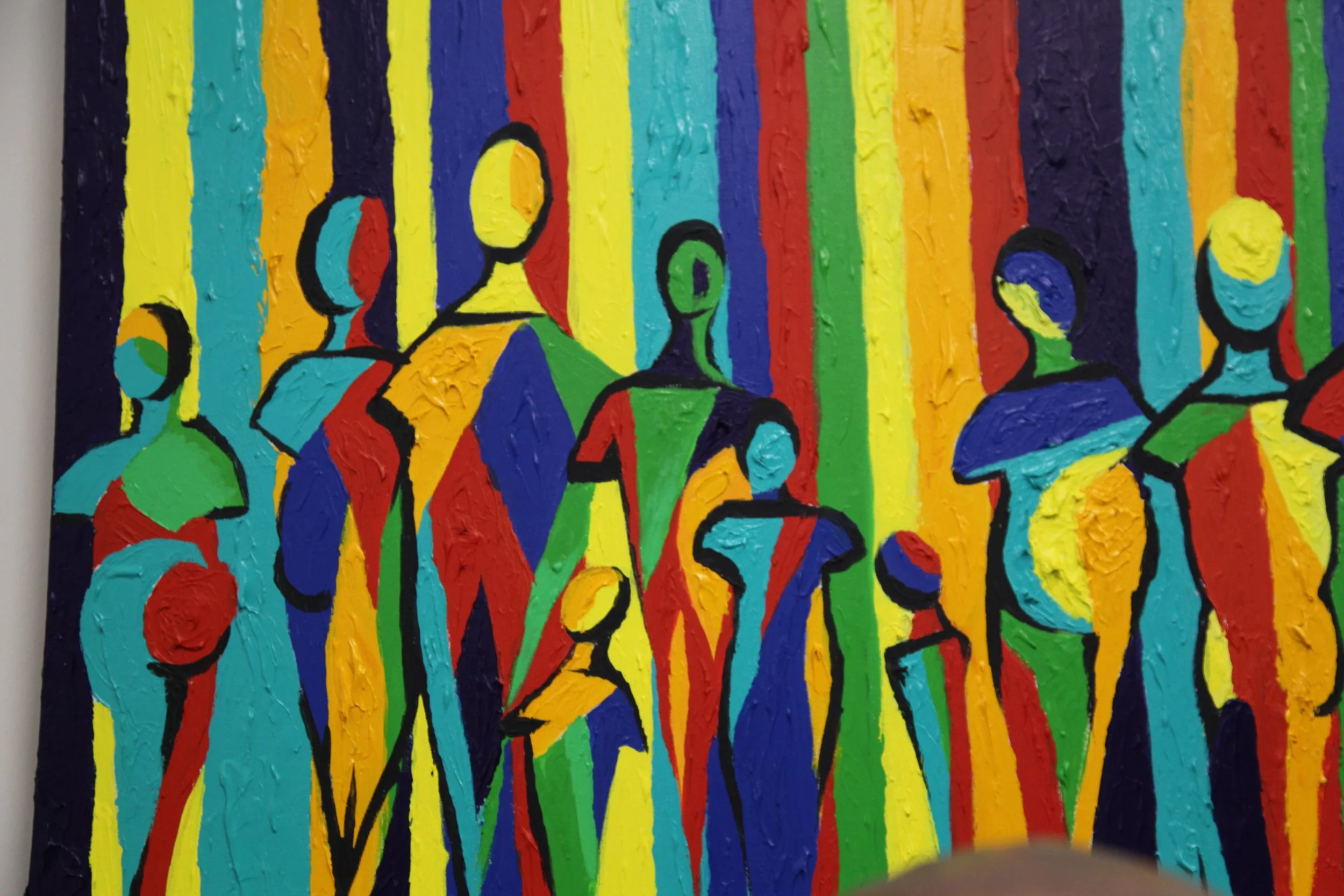
Developing Artistic Skills and Creative Practice
Semester 1 focuses on building strong technical skills and introducing the creative practices used by artists. You will experiment with a range of materials, refine your observational skills, and begin documenting your creative process in a visual diary.
Key learning focuses
Drawing and Painting
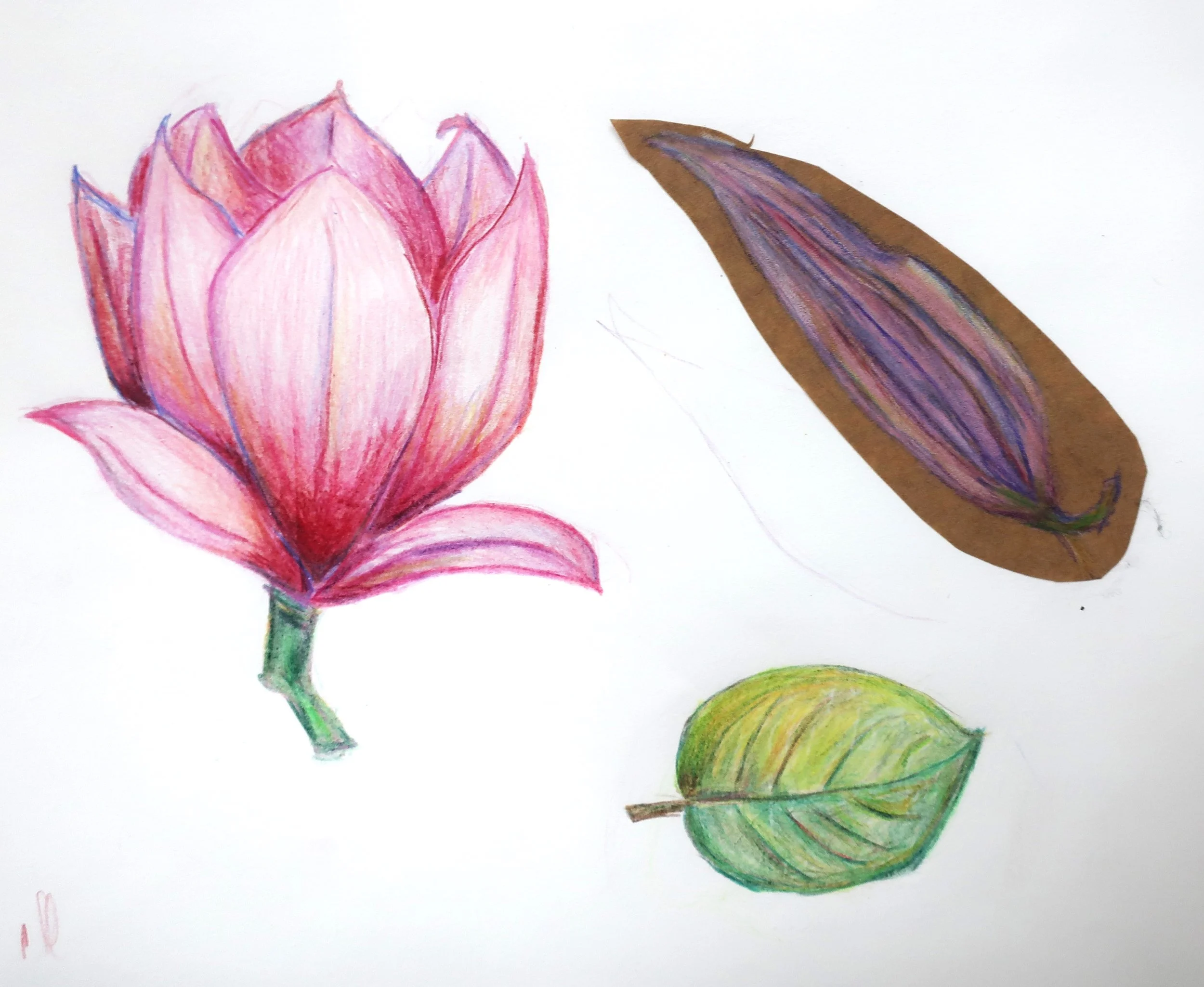
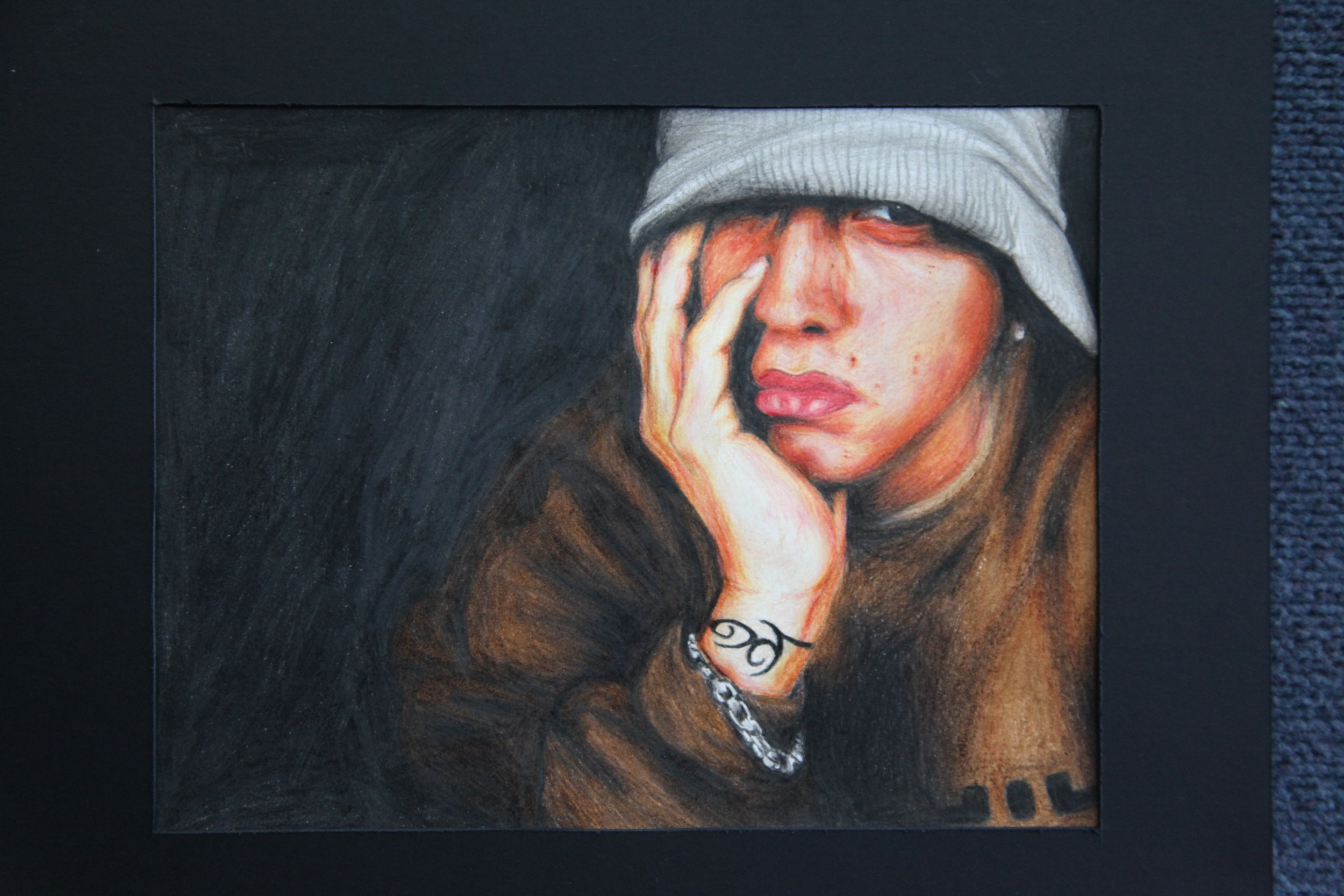
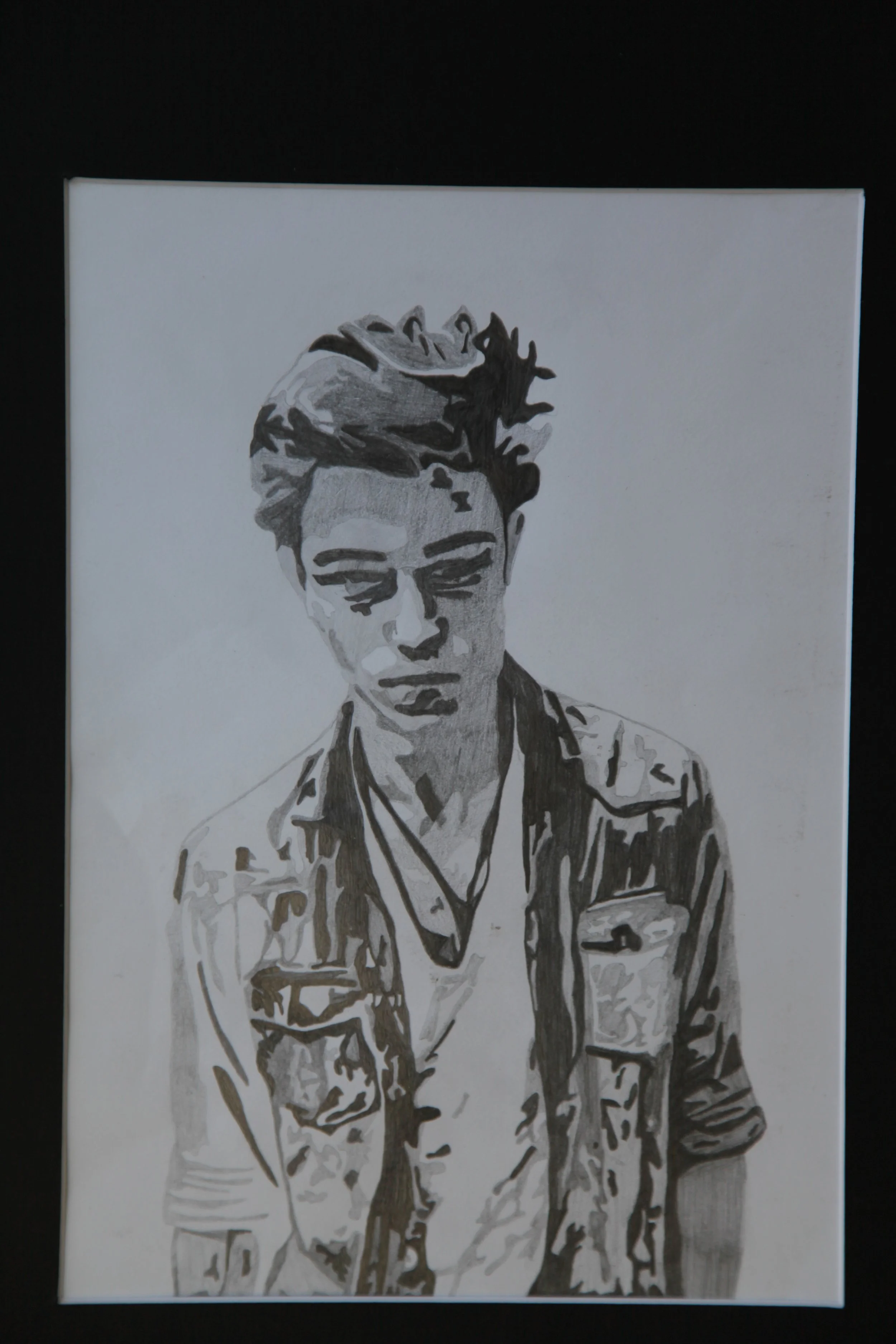
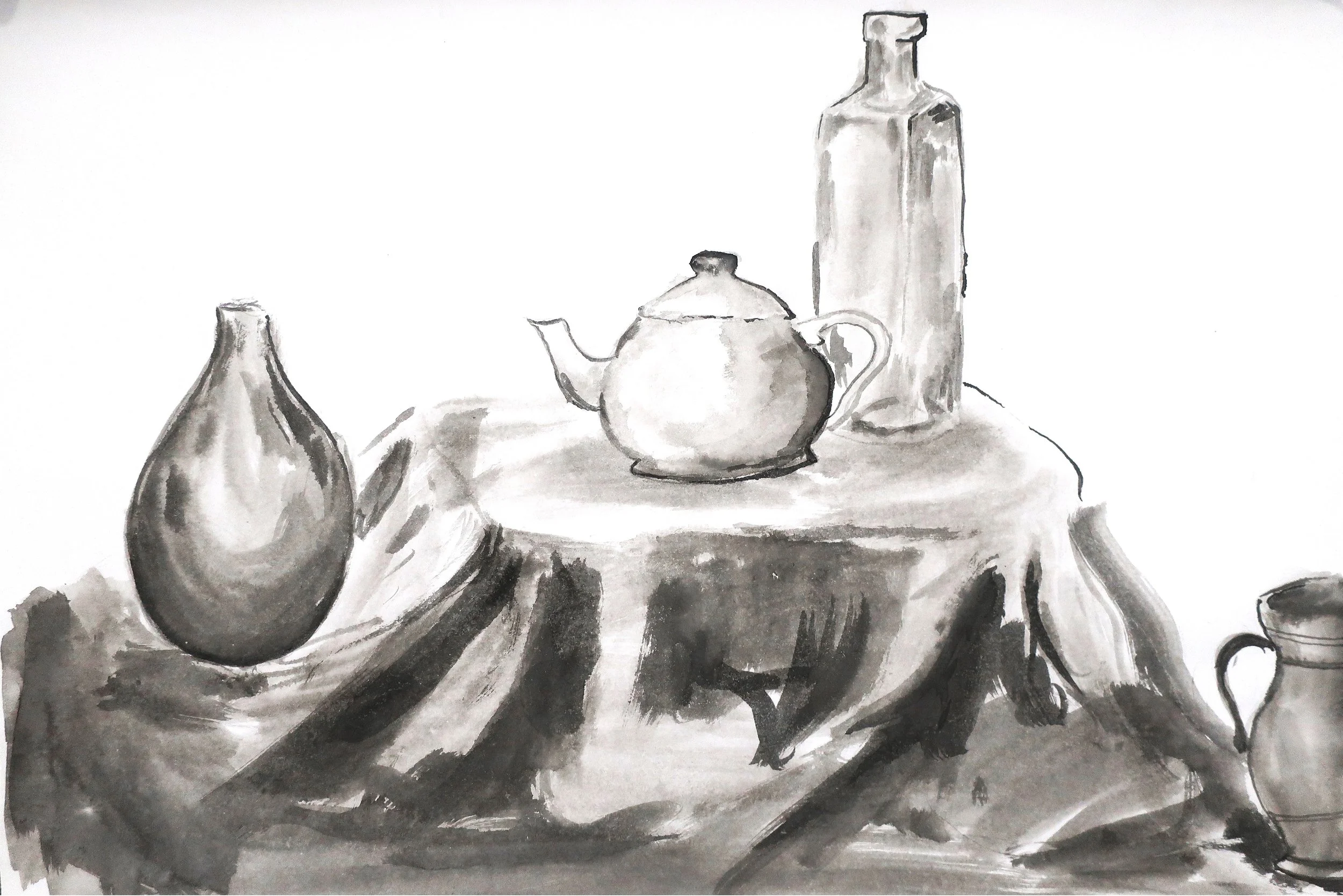
Develop observational drawing skills using graphite, charcoal, ink, coloured pencil and pastel.
Explore painting techniques using watercolour, gouache and acrylic paints.
Apply the art elements and principles to create expressive and resolved artworks.
Experiment with composition, tone, colour, texture and mark-making.
Record ideas, techniques and reflections in a folio.
Art Appropriation
Investigate how artists reinterpret and transform existing artworks and images.
Explore how visual language influences meaning and artistic intention.
Develop personal ideas inspired by historical and contemporary artists.
Plan, develop and complete an original artwork using appropriation techniques.
Reflect on your creative decisions using appropriate visual arts terminology.
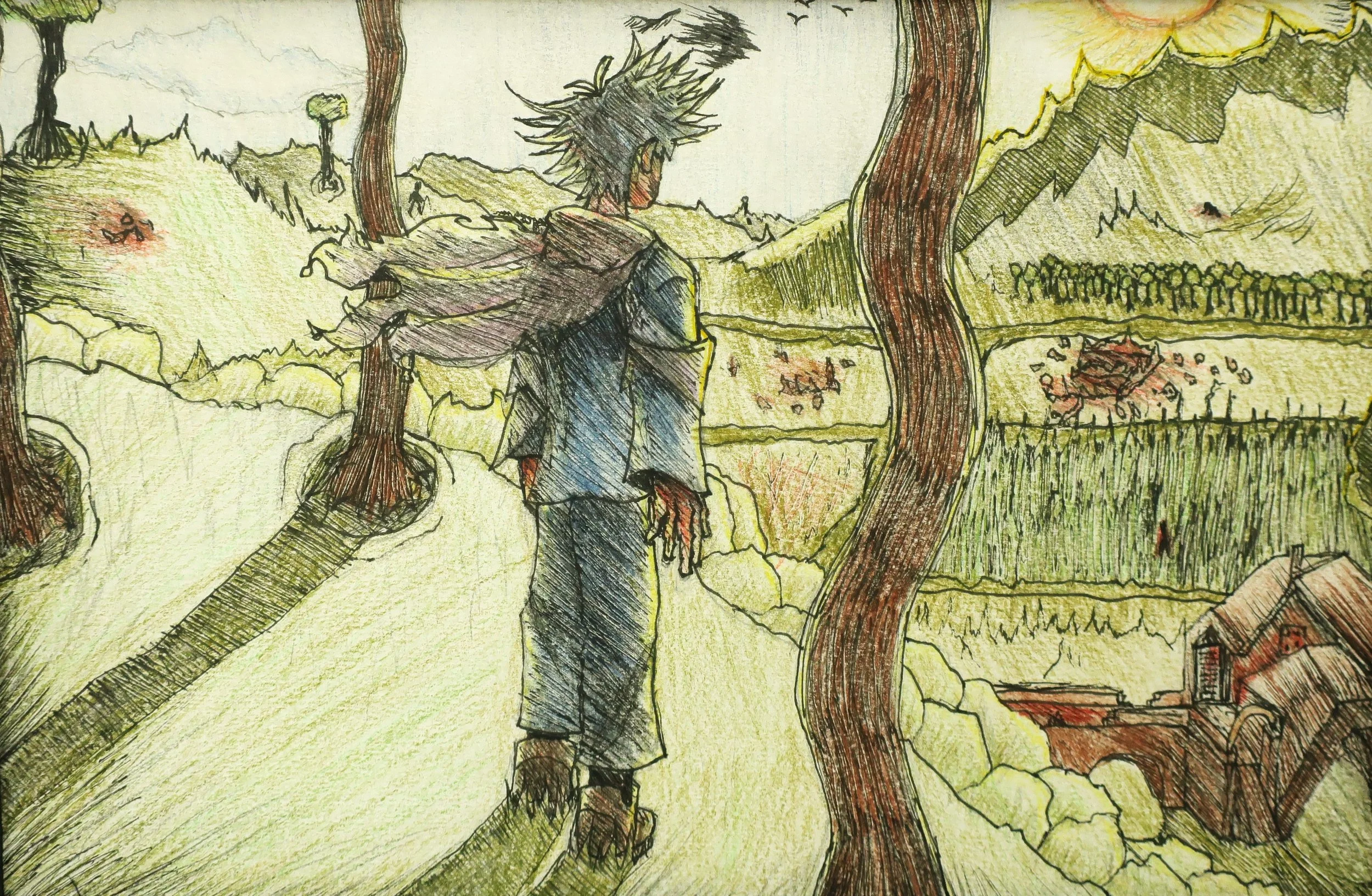
Printmaking
Explore a range of printmaking processes and techniques.
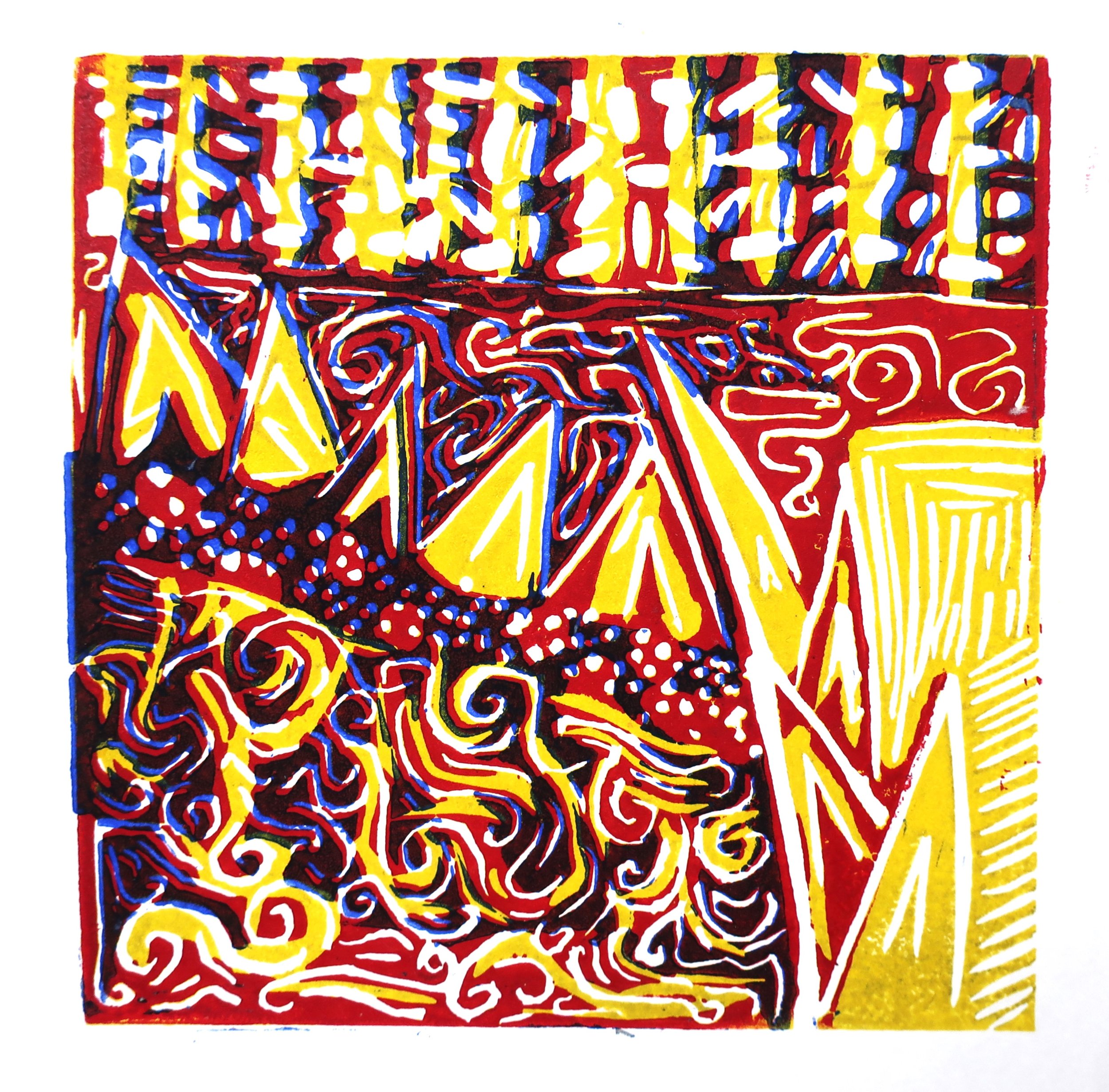
Experiment with relief printing, lino printing, reduction printing, woodblock printing, monotypes and introductory intaglio techniques.
Develop original print designs inspired by artist research and personal ideas.
Investigate how printmaking has been used to communicate personal, cultural and social ideas.
By the end of Semester 1, you will have:
Built confidence using a variety of drawing, painting and printmaking techniques.
Developed a visual diary that documents your creative process.
Strengthened your understanding of visual language and art terminology.
Created a folio of resolved artworks and supporting developmental work.
Semester 2
Exploring Materials, Personal Ideas and Artistic Expression
Semester 2 builds on the skills developed in Semester 1 through three-dimensional and mixed media artmaking. You will investigate how artists combine materials and processes to communicate ideas while continuing to refine your own artistic style and creative practice.
Key learning focuses
Ceramics
Learn hand-building techniques including pinch, coil and slab construction.
Explore surface decoration, texture, carving, glazing and finishing techniques.
Design and create functional and sculptural ceramic artworks.
Develop ideas through experimentation, planning and refinement.
Mixed Media
Combine a variety of materials, processes and techniques to create layered artworks.
Experiment with collage, assemblage, drawing, painting, printmaking and found materials.
Explore contemporary artists who work across multiple artforms.
Develop increasingly personal and imaginative responses to themes and ideas.
Continue documenting experimentation, refinement and evaluation within your folio.
By the end of Semester 2, you will have:
Expanded your skills across ceramics and mixed media.
Developed greater independence in generating and refining creative ideas.
Applied creative and critical thinking to solve artistic challenges.
Produced a folio demonstrating the development of ideas from investigation to finished artworks.
Built the confidence and skills required for success in VCE Art Creative Practice.
This subject is ideal for students who enjoy drawing, painting, printmaking, ceramics and mixed media, and who are interested in developing their creativity while preparing for further study in Visual Arts.